The Geography of Forgetting
My mother could no longer name the year, but she could find her way home through a town that no longer existed. On the maps we keep when memory goes.
My mother stopped knowing the year before she stopped knowing the way home — except that the home she could still find was the one she grew up in, seventy years and four states away. She would describe it to me at dusk, which is when the forgetting always grew loudest: the creek behind the house, the school two streets over, the bakery on the corner that closed in 1961.
I used to correct her. I thought that was love — keeping her tethered to the real. It took me too long to understand that she wasn’t lost. She was simply living in a different geography than I was, one with its own true north. The kindest thing I could do was learn its roads.
So in the evenings I stopped saying no, Mom, we’re here, and started asking what’s down that street? And she would tell me, and her face would open, and for a little while we’d walk that vanished town together.
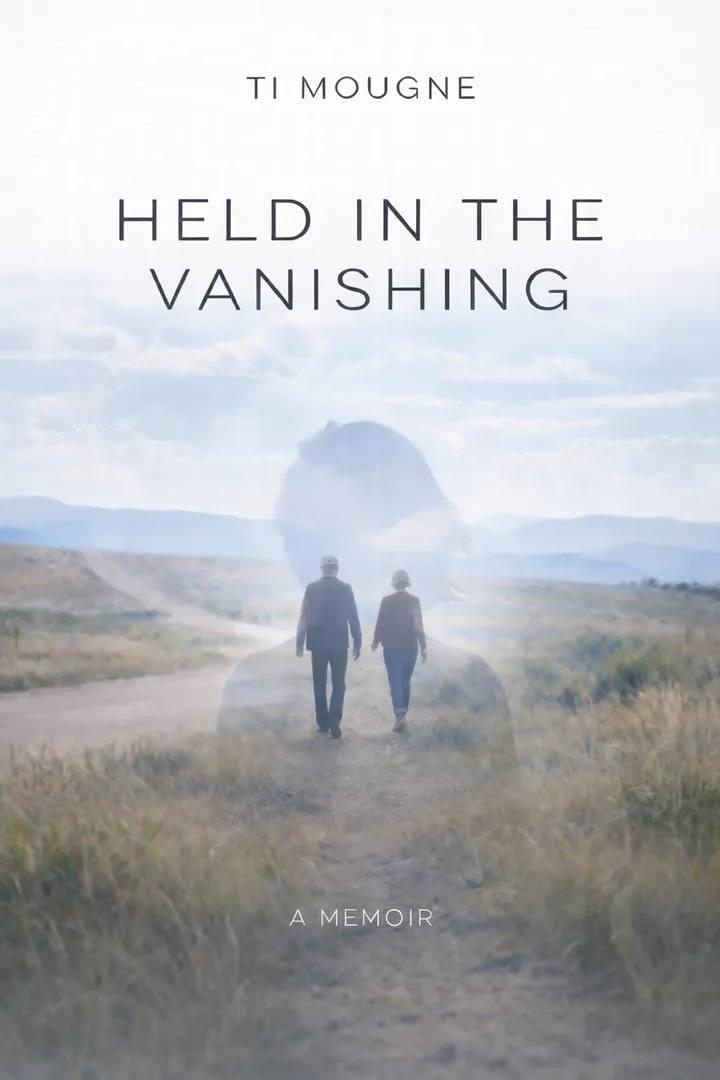
If you’re caring for someone whose map no longer matches yours, here is the one thing I wish someone had told me sooner: you do not have to win the argument with the disease. You only have to keep them company. I write more about all of this in Held in the Vanishing, and I’ve gathered the resources that helped me most there too.
Written by Ti Mougne