Let His Heart Sing
A late, almost-skipped dinner with my parents became a night of being taught—and seen—by the very people I care for.
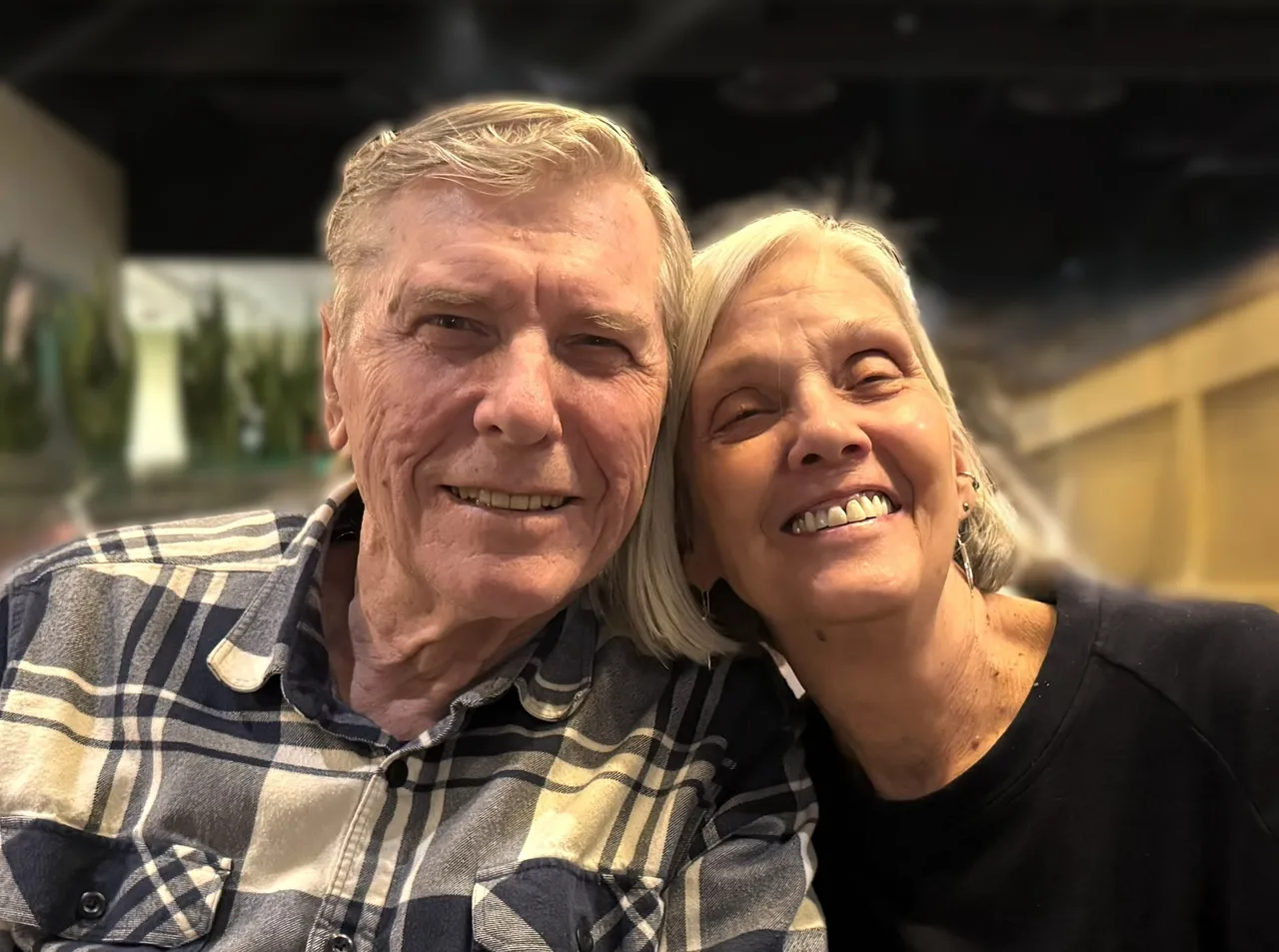
There are nights that sneak up on you—ordinary evenings that reveal themselves, only in hindsight, to have been something sacred.
This was one of them.
It began the way it often does: one of my dad’s doctor’s appointments, followed by the familiar drive home. Even when the appointment is only for one of them, they both choose to go. It’s become an excuse to leave memory care for a few hours, and we almost always end the outing with dinner.
But it was later than usual, and I was tired. I almost drove them straight home. Then it hit me—I couldn’t let them miss a proper meal. So I pulled into the first decent restaurant I could find. No grand plan. Just making sure they were taken care of.
My parents, both in memory care now, still love to eat out. They still love being out in the world, even if it’s become harder for the world to stay with them.
My dad is eighty-two. Alzheimer’s. My mom, seventy-six, has primary progressive aphasia. And fifty-three-year-old me is sitting across from them at a restaurant table, cutting my food, trying to figure out how much of myself to bring to this dinner.
Lately, I’d been holding back. I’d convinced myself they couldn’t follow—couldn’t track the threads of my life the way they once could. So I’d learned to keep things light. Easy. Safe.
But tonight, I didn’t feel like being safe.
I just started talking.
They had asked about my son, who had just turned fifteen and was finishing up his freshman year of high school. And so I told them everything—how he’s thriving in some subjects and struggling in others, navigating finals week, pouring himself into theater tech and gaming and the world that lives inside a screen. How he doesn’t have neighborhood kids to run around with the way I did, because his friendships exist in headsets and Discord servers and the particular intimacy of playing beside someone you can’t see. How I sometimes lie awake worried about what AI will mean for his future, for college, for the kind of work that will even exist when he gets there—and whether his schooling is preparing him for a future that will look nothing like today.
And then there was French. He’d taken his French final earlier that week, and we still didn’t know how he’d done. It was one of those subjects that hadn’t come easily, and finals week had been weighing on both of us.
I talked. My parents listened.
And then my dad asked me a question.
“What do you do to reward him? When he does something well—what do you do?”
I stopped.
I turned it over in my mind, looking for the answer the way you look for your keys when you’re sure you just had them. And I couldn’t find it. Because it wasn’t there.
We don’t reward him. Not really. My son is a good kid—an honor roll student, a member of the Thespian Club, the kind of kid neighbors trust to mow their lawns and care for their pets, and a genuinely kind human being moving through the world with more grace than I had at fifteen. The punishment in our house is rare and minor. A forgotten assignment. A C where an A was possible. We take away screen time. We express our disappointment. We redirect.
We expect him to do well. We notice when he falls short. But celebrate what he does right?
I had nothing.
My dad looked at me with the quiet certainty of a man who has lived long enough to know which things matter. “You have to teach him the positives,” he said. “The rewards. The reasons to do well—not just the reasons to avoid doing wrong.”
I had to look away for a moment. My dad—my dad with Alzheimer’s, sitting in a restaurant booth—just taught me something about raising my own son that I should have figured out years ago.
I didn’t have an answer. I just sat there, a little undone, trying not to cry into my dinner. Feeling it land somewhere in my chest—that specific ache of being seen and taught and loved all at once.
By my dad. Still. Even now.
The second moment came on the drive home.
My dad, somewhere in the wandering landscape of his memory, started asking about a black cowboy hat. His black cowboy hat. Whether it was still around. Whether he might wear it again.
My mom’s response was immediate. She’d become wonderfully expressive as language has grown more difficult, and this was one of those moments when her face and hands said far more than words ever could. She made her feelings unmistakably clear: she did not want my dad wearing that black hat again.
I listened for about thirty seconds.
Then I said, gently but clearly: “Stop worrying so much about what other people think. Let him live. Let his heart sing.”
My mom, in her animated way, slapped both hands over her mouth—holding back whatever was rising up inside her. I honestly couldn’t tell if she was about to get mad at me. I braced for it, the way I’ve learned to do. But instead of pushing back, I reached over, patted her on the leg, and looked gently at her when I said:
“We’ll let your heart sing too.”
That seemed to help. The hands came down. The moment softened.
And then, from the back seat, my dad’s voice.
“Thank you, Ti.”
I was driving and couldn’t turn to look at him. But I didn’t need to. I heard it—the sincerity, the quiet weight of genuine gratitude in those three words. I felt it move through the car and settle somewhere inside me. What I had done for him mattered. It mattered greatly.
He wasn’t thanking me for settling the disagreement. He was thanking me for seeing him—for giving him permission to still want things, to still know his life was worth celebrating. For reminding him that his heart was still worth singing.
To think, I almost cut the night short by saying no to dinner. I almost withheld the full story of how my son is doing, of how I’m doing. I almost let my mom’s reaction get the better of me.
And yet.
Tonight reminded me that my parents are still here with me. Still interested in my life. Still guiding me. Still teaching me.
I am in awe. Not the tidy, composed kind. The kind that sits heavy in your chest and won’t let you be still. I came home and told my husband everything. And then I sat down and wrote it all out, because some nights are too important to let slip away into sleep.
Written by Ti Mougne